Why are climate and conservation scientists taking to the streets?

Loading player...
Last week’s IPCC report gives the world just 30 months to get greenhouse gas emissions falling. Beyond that, we’ll have missed our chance of limiting global heating to 1.5C and protecting our planet from the most serious impacts of climate change. As the window closes, some scientists feel like writing reports and publishing papers is no longer enough, and researchers around the world are leaving their desks and labs to take action on the streets. Madeleine Finlay meets scientists protesting at Shell HQ in London and speaks to the conservationist Dr Charlie Gardner about civil disobedience – and why he thinks it’s the only option left. Help support our independent journalism at theguardian.com/sciencepod
12 Apr 2022 English United Kingdom Science · Nature

Other recent episodes

Are rich people really worse behaved? Here’s the science

Who’s more likely to steal sweets from a child? According to science, it’s the rich. A study seemingly confirming our suspicions about the moral behaviour of the wealthy was one of the winners of the 2026 Ig Nobel prizes, which honour research that makes you laugh and then think. Science…
8 Sep 18 min

Introducing Black Box: The Chatbots

From the Guardian Investigates team: Across the world, hundreds of people have come to believe they have made extraordinary scientific discoveries with AI chatbots such as ChatGPT, Claude and Gemini. Others say their AI has ‘awakened’ or is leading them to a higher spiritual realm. The Guardian journalist Michael Safi…
6 Sep 39 min

There’s a quick way to slow climate change. Why isn’t everyone doing it?

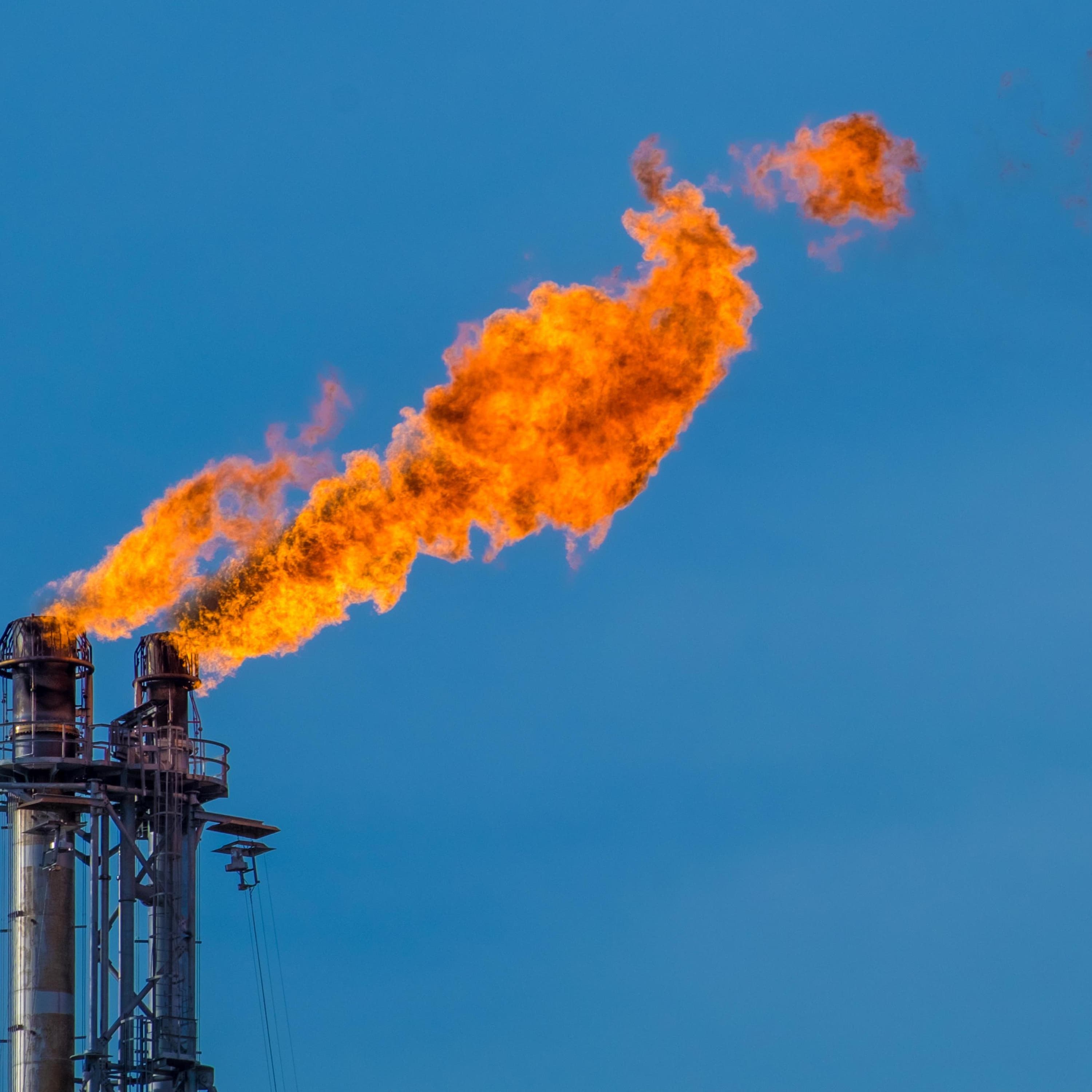
Methane is a potent greenhouse gas that traps more than 80 times as much heat than carbon dioxide over a 20-year period and causes 25% of global heating today. We definitely don’t want this gas spewing needlessly into the atmosphere, but in 2023 that’s exactly what environment editor Damian Carrington…
3 Sep 13 min

Clicks, grunts and squeals: the wonders of whale communication

Ever since the earliest known recording of whale song was made in 1949, researchers have been captivated by the wails, rumbles, clicks, grunts and squeals of their communication. As technology improves, scientists are decoding the intricate patterns that make different species’ vocalisations distinctive. Madeleine Finlay hears from Emma Bryce, a…
1 Sep 17 min