Is our model of the universe wrong?

Loading player...
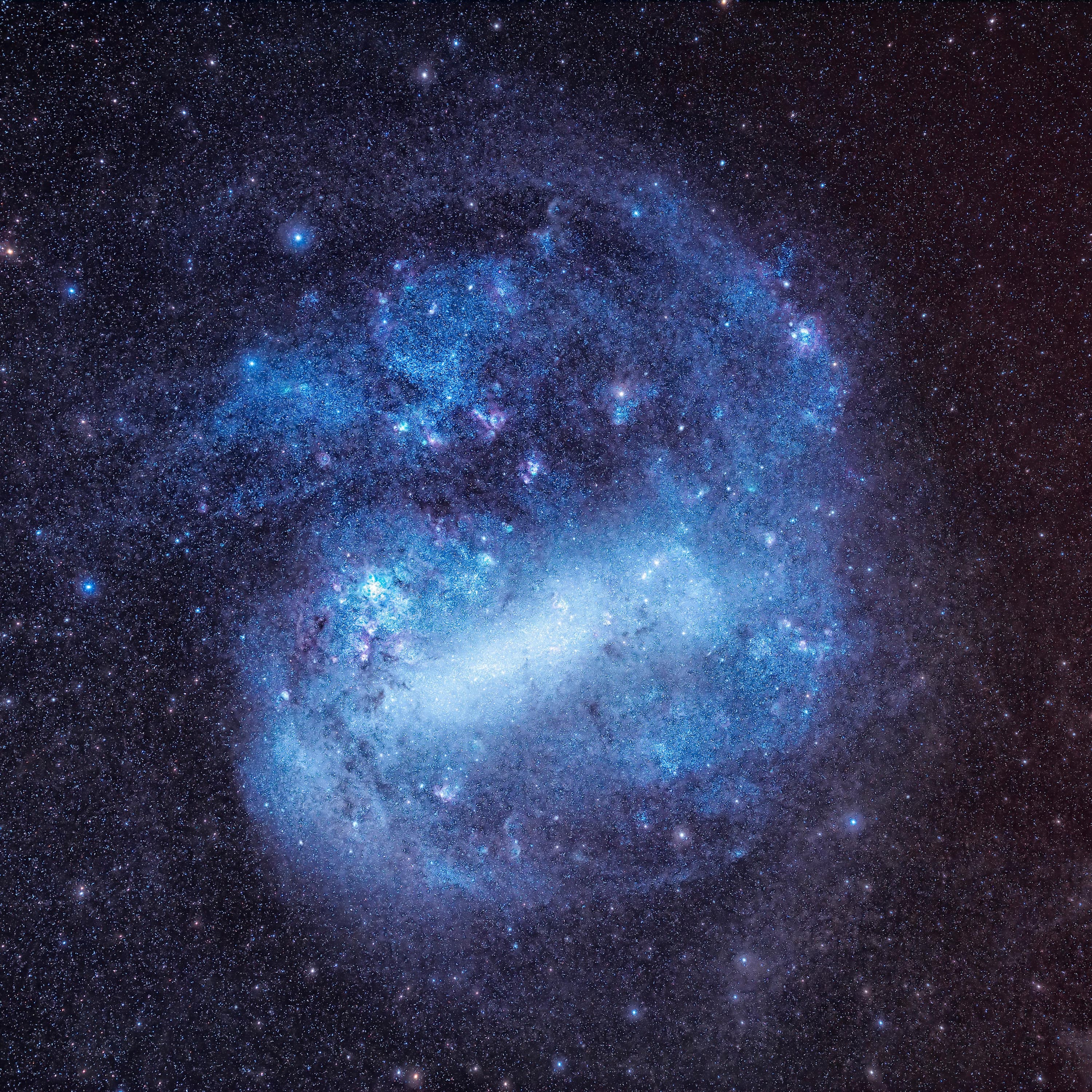
For the past 10 years cosmologists have been left scratching their heads over why two methods for measuring the universe’s rate of expansion provide totally different results. There are two possible solutions to the puzzle, known as the Hubble tension: either something is wrong with the measurements or something is wrong with our model of the universe. It was hoped that observations from the James Webb space telescope might shed some light on the problem, but instead results published last week have continued to muddy the waters. To understand why the expansion rate of the universe remains a mystery, and what might be needed to finally pin it down, Madeleine Finlay speaks to Catherine Heymans, the astronomer royal for Scotland and a professor of astrophysics at the University of Edinburgh. Help support our independent journalism at theguardian.com/sciencepod
16 Dec 2024 English United Kingdom Science · Nature

Other recent episodes

Are rich people really worse behaved? Here’s the science

Who’s more likely to steal sweets from a child? According to science, it’s the rich. A study seemingly confirming our suspicions about the moral behaviour of the wealthy was one of the winners of the 2026 Ig Nobel prizes, which honour research that makes you laugh and then think. Science…
8 Sep 18 min

Introducing Black Box: The Chatbots

From the Guardian Investigates team: Across the world, hundreds of people have come to believe they have made extraordinary scientific discoveries with AI chatbots such as ChatGPT, Claude and Gemini. Others say their AI has ‘awakened’ or is leading them to a higher spiritual realm. The Guardian journalist Michael Safi…
6 Sep 39 min

There’s a quick way to slow climate change. Why isn’t everyone doing it?

Methane is a potent greenhouse gas that traps more than 80 times as much heat than carbon dioxide over a 20-year period and causes 25% of global heating today. We definitely don’t want this gas spewing needlessly into the atmosphere, but in 2023 that’s exactly what environment editor Damian Carrington…
3 Sep 13 min

Clicks, grunts and squeals: the wonders of whale communication

Ever since the earliest known recording of whale song was made in 1949, researchers have been captivated by the wails, rumbles, clicks, grunts and squeals of their communication. As technology improves, scientists are decoding the intricate patterns that make different species’ vocalisations distinctive. Madeleine Finlay hears from Emma Bryce, a…
1 Sep 17 min