
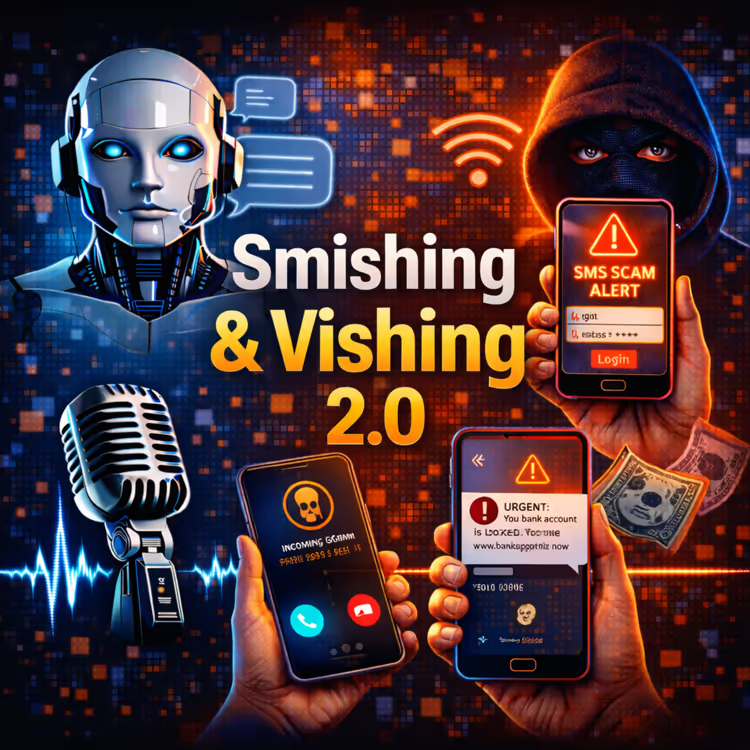
CyberSense - Smishing & Vishing 2.0
Loading player...
How do you defend yourself against a conversation? You have to break the script.
Rule One: Never Trust Caller ID or the Sender’s Name in a Text. Spoofing is effortless. That text from “FedEx” or call from “SARS” is almost certainly fake. Assume it’s fraudulent until you verify.
Rule Two: Never Engage. Never Click. Never Call Back. Your most powerful move is silence. Do not reply “STOP” or “NO” to a suspicious text—it just confirms your number is live. Do not press “1” to speak to an agent. Do not call the number provided. Break contact.
Rule Three: Verify Through Your Official App or a Known Number. If a text claims to be from your bank, log into your bank’s official app separately. If a call is about a parcel, go to the shipper’s official website and type in your tracking number yourself. Initiate contact on your terms, using information you already have.
- CyberSense with Declan Hardie on Impact 103
Rule One: Never Trust Caller ID or the Sender’s Name in a Text. Spoofing is effortless. That text from “FedEx” or call from “SARS” is almost certainly fake. Assume it’s fraudulent until you verify.
Rule Two: Never Engage. Never Click. Never Call Back. Your most powerful move is silence. Do not reply “STOP” or “NO” to a suspicious text—it just confirms your number is live. Do not press “1” to speak to an agent. Do not call the number provided. Break contact.
Rule Three: Verify Through Your Official App or a Known Number. If a text claims to be from your bank, log into your bank’s official app separately. If a call is about a parcel, go to the shipper’s official website and type in your tracking number yourself. Initiate contact on your terms, using information you already have.
- CyberSense with Declan Hardie on Impact 103


