Transporting the most expensive and volatile substance on Earth

Loading player...
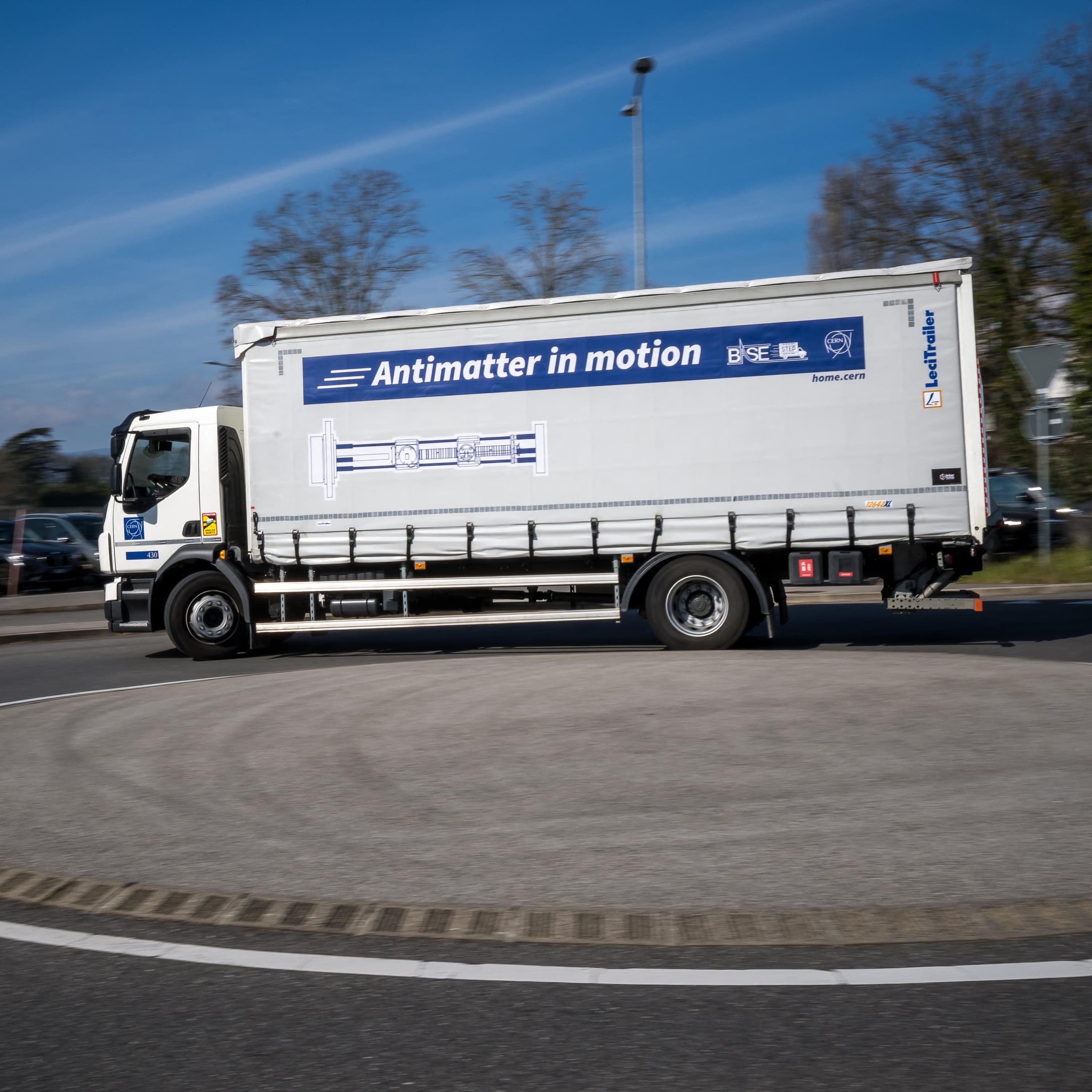
A box the size of a filing cabinet was lifted by crane, slowly moved and placed very carefully in the back of an unassuming lorry earlier this week. What looked like a casual drive around the Cern campus was actually a world-first experiment in transporting antimatter, the most expensive and volatile substance on Earth. To find out why scientists wanted to achieve this milestone, and what happened on the journey, Madeleine Finlay hears from the Guardian’s science editor, Ian Sample, and the Cern physicist Dr Christian Smorra.. Help support our independent journalism at theguardian.com/sciencepod

26 Mar English United Kingdom Science · Nature

Other recent episodes

Hantavirus explained: how does it spread and who is most at risk?

Three people have died after an outbreak of hantavirus onboard a cruise ship travelling from Argentina to Cape Verde. The World Health Organization says that a total of seven cases – two confirmed by laboratory testing and five suspected – have been identified on the cruise ship so far. They…
5 May 13 min

‘Historic breakthrough’: could the fossil fuel era be coming to an end?

The transition towards renewable energy received a boost last week when representatives from 57 countries met in Santa Marta, Colombia, for a world-first climate meeting aimed at bringing the fossil fuels era to an end. Madeleine Finlay hears from the Guardian’s global environment editor, Jon Watts, about how the landmark…
5 May 14 min

What is a food intolerance, and how do you know if you have one?

Social media is awash with content about food intolerances and the symptoms to look out for. But figuring out whether you actually have one, and what’s triggering it, is surprisingly difficult. One avenue people are gravitating towards is at-home testing. Madeleine Finlay sits down with health and lifestyle journalist Rebecca…
28 Apr 17 min